Use code JAI15 for 15% OFF 12:00:00
Step-by-Step Guide Updated March 2026

How to Enlarge Images Without Losing Quality

Transform small, low-resolution images into stunning 4K or 8K masterpieces using AI upscaling technology. Get professional results in under 2 minutes without expensive software or technical expertise.

~2 min
Time
From 1 cr
Cost
Up to 8K
Quality
541+
Tools
Recommended
Best Tools for This Task
Handpicked for How to Enlarge Images Without Losing Quality

Process
How It Works
1
Upload Your Image
Navigate to JAI Portal's Upscaling category and select your preferred AI upscaler model. Click the upload button and select the image you want to enlarge from your device. Most models accept common formats including JPG, PNG, WebP, and HEIC files up to 10-20MB. For best results, start with the highest quality source image available, even if it's small—AI upscalers work better with clean, well-lit originals rather than already-compressed or heavily edited images. The platform will display a preview of your uploaded image along with its current dimensions and file size.
Tip: Clean your source image first by removing noise, adjusting brightness/contrast, and sharpening slightly before upscaling. This gives the AI better data to work with and produces noticeably superior results.
2
Choose Upscaling Settings
Select your target resolution or scaling factor—most tools offer 2x, 4x, or specific resolutions like 2K, 4K, or 8K output. Some advanced models like WaveSpeed AI Image Upscaler and Clarity Upscaler provide creativity or enhancement sliders that control how much the AI modifies the image beyond simple enlargement. Lower creativity settings preserve the original look while higher settings allow more AI-driven enhancement of details, textures, and sharpness. For portraits, consider models with face-specific optimization. For product photography or graphics with text, choose models that excel at preserving sharp edges and fine details.
Tip: Start with moderate creativity settings (around 50%) for your first upscale. You can always re-process with higher enhancement if needed, but over-processed images can look artificial or introduce unwanted artifacts.
3
Preview and Compare
If you're unsure which model produces the best results for your specific image type, use JAI Portal's side-by-side comparison feature to process the same image through multiple upscalers simultaneously. This lets you evaluate differences in sharpness, detail reconstruction, color accuracy, and artifact handling across different AI engines. Pay special attention to critical areas like faces, text, fine textures, and edge transitions. Some models excel at photographic content while others perform better on illustrations, graphics, or AI-generated art. The comparison view displays credit costs for each model, helping you balance quality against budget.
Tip: Zoom into 100% or 200% view when comparing results to spot subtle differences in detail quality, especially in challenging areas like hair, fabric textures, or complex backgrounds that reveal each model's strengths.
4
Process the Upscale
Once you've selected your preferred model and settings, click the generate or upscale button to begin processing. The AI will analyze your image, identify content types, and intelligently reconstruct higher-resolution pixel data. Processing time varies by model and target resolution—faster models like Sima Image Upscaler complete in 10-20 seconds, while more sophisticated engines like Topaz Image Upscaler or Flux Vision Upscaler may take 30-90 seconds for maximum quality 4x upscales. The platform displays a progress indicator and estimated completion time. Credits are only deducted after successful processing completion.
Tip: For very large upscaling projects with multiple images, process a single test image first to verify settings and quality before batch processing your entire collection to avoid wasting credits on suboptimal results.
5
Review Enhanced Results
When processing completes, the platform displays your upscaled image with before/after comparison sliders, allowing you to evaluate the quality improvement. Examine the entire image carefully, checking for any unwanted artifacts, over-sharpening, color shifts, or unnatural textures that sometimes occur with aggressive AI enhancement. Most results will show dramatically improved clarity, sharper edges, enhanced fine details, and smooth gradients without the pixelation or blur typical of traditional enlargement methods. If the result doesn't meet your expectations, try a different model or adjust creativity settings—each AI engine has unique strengths for different image types.
Tip: Use the zoom and pan tools to inspect critical details at 100% magnification. Check faces for natural skin texture, text for readability, and backgrounds for smooth gradients without banding or noise patterns.
6
Download and Use
Download your enhanced high-resolution image in your preferred format—typically PNG for maximum quality or JPG for smaller file sizes. JAI Portal provides commercial usage rights for all generated content, meaning you own the upscaled images and can use them freely in client projects, marketing materials, print products, websites, or any commercial application without attribution requirements or licensing restrictions. The downloaded files contain no watermarks on paid generations. Save the original filename or add version tags to keep track of different upscaling attempts. For web use, consider creating multiple resolution versions optimized for different devices and screen sizes.
Tip: Download in PNG format first to preserve maximum quality, then create optimized JPG or WebP versions for web use. Keep the high-resolution PNG as your master file for future editing or additional processing needs.

What is How to Enlarge Images Without Losing Quality?

Enlarging images without losing quality is the process of increasing image dimensions and resolution while preserving or enhancing visual clarity, sharpness, and detail. Modern AI upscaling technology uses deep learning algorithms trained on millions of high-resolution images to intelligently predict and reconstruct missing pixels when scaling up. Unlike traditional interpolation methods that simply stretch pixels causing blur and pixelation, AI upscalers analyze image content, recognize patterns like edges, textures, and faces, then generate new pixel data that maintains photographic realism. This technology can upscale images 2x, 4x, or even 8x their original size while actually improving detail clarity.

Who Is This For?

This technology is essential for photographers restoring old photos, e-commerce sellers needing high-resolution product images, graphic designers preparing artwork for large-format printing, social media marketers optimizing content for different platforms, real estate agents enhancing property photos, digital artists upscaling AI-generated images, content creators improving video thumbnails, and anyone who needs to enlarge images for professional presentations, websites, or print materials without compromising visual quality or investing in expensive professional software.

Why JAI Portal?

JAI Portal provides access to 27+ premium AI upscaling models in one platform with transparent pay-as-you-go pricing starting at just 1 credit per upscale. Compare results from different AI engines side-by-side, choose the perfect model for your specific image type, and only pay for what you use—no monthly subscriptions or hidden fees required.


Deep Dive
In-Depth Guide

🎯Choosing the Right AI Upscaling Model for Your Image Type

Selecting the optimal upscaling model dramatically impacts your final image quality, and different AI engines excel at different content types. For photographic portraits and faces, models like Crystal Upscaler and Portrait Enhance use specialized facial recognition algorithms that preserve skin texture, enhance eye detail, and maintain natural proportions—these are worth the higher credit cost when human subjects are your focus. For product photography, architectural images, or graphics with text and sharp edges, Recraft Crisp Upscale and Google Upscaler provide superior edge preservation and minimal artifacting around high-contrast boundaries. General-purpose upscalers like WaveSpeed AI Image Upscaler and Clarity Upscaler offer excellent versatility with adjustable creativity controls, making them ideal when you're unsure of the best approach or working with mixed content. For AI-generated artwork or illustrations, models with higher creativity settings like Flux Vision Upscaler and Recraft Creative Upscale can add impressive detail enhancement beyond simple resolution increase. Budget-conscious users should start with efficient models like WaveSpeed AI Image Upscaler at 1 credit, which delivers impressive quality for most use cases, then upgrade to premium options like Topaz Image Upscaler or Freepik AI Upscaler only when maximum quality justifies the 4-15 credit investment. Consider your output requirements too—if you need 8K resolution, models like WaveSpeed AI Ultimate Image Upscaler and Bria Increase Resolution specifically support ultra-high resolutions, while standard upscalers typically max out at 4K. Testing multiple models on representative sample images before committing to large batch processing saves both credits and time while ensuring optimal results.

Optimizing Input Images for Maximum Upscaling Quality

The quality of your source image fundamentally determines upscaling success—garbage in, garbage out applies even with advanced AI. Start with the highest quality original available, avoiding previously compressed, resized, or heavily filtered versions that have already lost detail information. Images saved at maximum quality settings (90-100% JPG quality or lossless PNG) provide AI algorithms with cleaner data to analyze and reconstruct. Before upscaling, perform basic image optimization: adjust exposure and contrast to reveal shadow and highlight detail, apply subtle sharpening to enhance edge definition, and remove noise or grain using dedicated noise reduction tools. However, avoid over-processing—excessive sharpening creates halos and artifacts that AI upscalers amplify, while aggressive noise reduction destroys fine texture that helps AI reconstruction. For scanned photos or digitized film, scan at the highest DPI your scanner supports (minimum 600 DPI, preferably 1200+ DPI) to capture maximum detail from the physical source. Color space matters too—working in sRGB ensures compatibility across all upscaling models, while Adobe RGB or ProPhoto RGB may cause color shifts in some engines. Image dimensions also impact results—extremely small sources (below 256x256 pixels) challenge even the best AI upscalers because there's simply insufficient detail information to reconstruct convincingly. For such cases, consider 2x upscaling first, then applying enhancement filters before a second upscaling pass to reach your target resolution. File format selection affects quality preservation—PNG maintains perfect quality through multiple saves while JPG degrades slightly with each re-save, so always keep PNG masters of important upscaled images. Finally, understand your content type: photographs with natural textures upscale more successfully than heavily stylized graphics, and images with clear subjects perform better than busy, cluttered compositions where AI struggles to identify important details to enhance.

🚀Advanced Multi-Pass Upscaling Techniques for Extreme Enlargements

When you need to enlarge images beyond standard 4x scaling factors—such as turning a 500x500 pixel thumbnail into a 4000x4000 pixel print-ready file—multi-pass upscaling techniques deliver superior results compared to single extreme upscales. The strategy involves upscaling in multiple 2x stages with enhancement and refinement between passes, allowing each AI model to work within its optimal performance range while building detail progressively. Start with a fast, efficient model like WaveSpeed AI Image Upscaler or Google Upscaler for your first 2x pass at approximately 1-2 credits, which establishes the basic enlarged structure. Next, apply targeted enhancement using JAI Portal's image editing tools—adjust clarity, sharpen edges slightly, enhance color vibrancy, and apply subtle texture overlays to areas that appear soft. Then perform a second 2x upscale using a higher-quality model like Topaz Image Upscaler or Clarity Upscaler with moderate creativity settings, investing 2-4 credits for refined detail reconstruction. For the final pass to reach 8x total enlargement, use premium models like Flux Vision Upscaler or WaveSpeed AI Ultimate Image Upscaler with conservative creativity to avoid over-processing artifacts. This multi-stage approach typically costs 10-15 credits total but produces noticeably superior results compared to a single 8x upscale at 6-10 credits, particularly for challenging content. Another advanced technique involves selective upscaling where you upscale the entire image at moderate settings, then separately upscale and enhance critical regions like faces or product details at maximum quality, finally compositing the high-detail regions back into the full image. This hybrid workflow optimizes both quality and credit expenditure by applying premium processing only where it matters most. For professional projects requiring absolute maximum quality, consider the enhance-upscale-enhance sandwich: apply AI enhancement tools to improve the source, upscale with a quality-focused model, then apply final enhancement to the upscaled result. While this workflow requires more time and credits, it produces gallery-quality enlargements suitable for large-format printing, professional portfolios, or commercial licensing.

💡AI Upscaling vs Traditional Methods: Cost, Quality, and Workflow Comparison

Traditional image enlargement methods like bicubic interpolation in Photoshop or Lightroom simply calculate average color values between existing pixels, resulting in soft, blurry enlargements that lack detail and appear obviously upscaled. Professional alternatives like Photoshop's Preserve Details 2.0 or third-party plugins improve results but still can't match modern AI upscaling quality, and they require expensive software subscriptions ($120-240 annually for Adobe Creative Cloud). Dedicated desktop upscaling software like Topaz Gigapixel AI or ON1 Resize cost $99-199 as one-time purchases but lock you into single algorithms without the flexibility to compare different AI engines or access newer models as technology advances. JAI Portal's pay-as-you-go approach at 1-40 credits per upscale (with 10 free starter credits) provides access to 27+ cutting-edge AI models including the same Topaz technology available in their standalone software, plus alternatives from Google, Recraft, Ideogram, and specialized engines you can't access elsewhere. For occasional users upscaling 10-20 images monthly, JAI Portal costs a fraction of subscription software while delivering equal or superior quality through model selection optimization. Even power users processing hundreds of images find the credit system cost-effective because you only pay for actual processing, not unused subscription months. Quality comparisons consistently show AI upscalers producing sharper edges, more realistic texture reconstruction, better detail enhancement, and fewer artifacts than traditional methods, with the gap widening dramatically at higher scaling factors—4x AI upscales often surpass 2x traditional enlargements in perceived quality. Workflow efficiency favors AI platforms too: upload, select model, process, and download typically completes in under 2 minutes versus 5-10 minutes per image in desktop software with manual parameter tweaking. JAI Portal's side-by-side comparison feature eliminates guesswork by showing actual results from multiple models simultaneously, something impossible with single-algorithm desktop software. The commercial licensing advantage is significant—all JAI Portal outputs grant full commercial usage rights with no attribution required, while some traditional software imposes licensing restrictions or watermarks on free tiers. For professional photographers, designers, and marketers, AI upscaling has become the industry standard in 2026, with traditional methods relegated to quick previews or situations where AI access is unavailable.
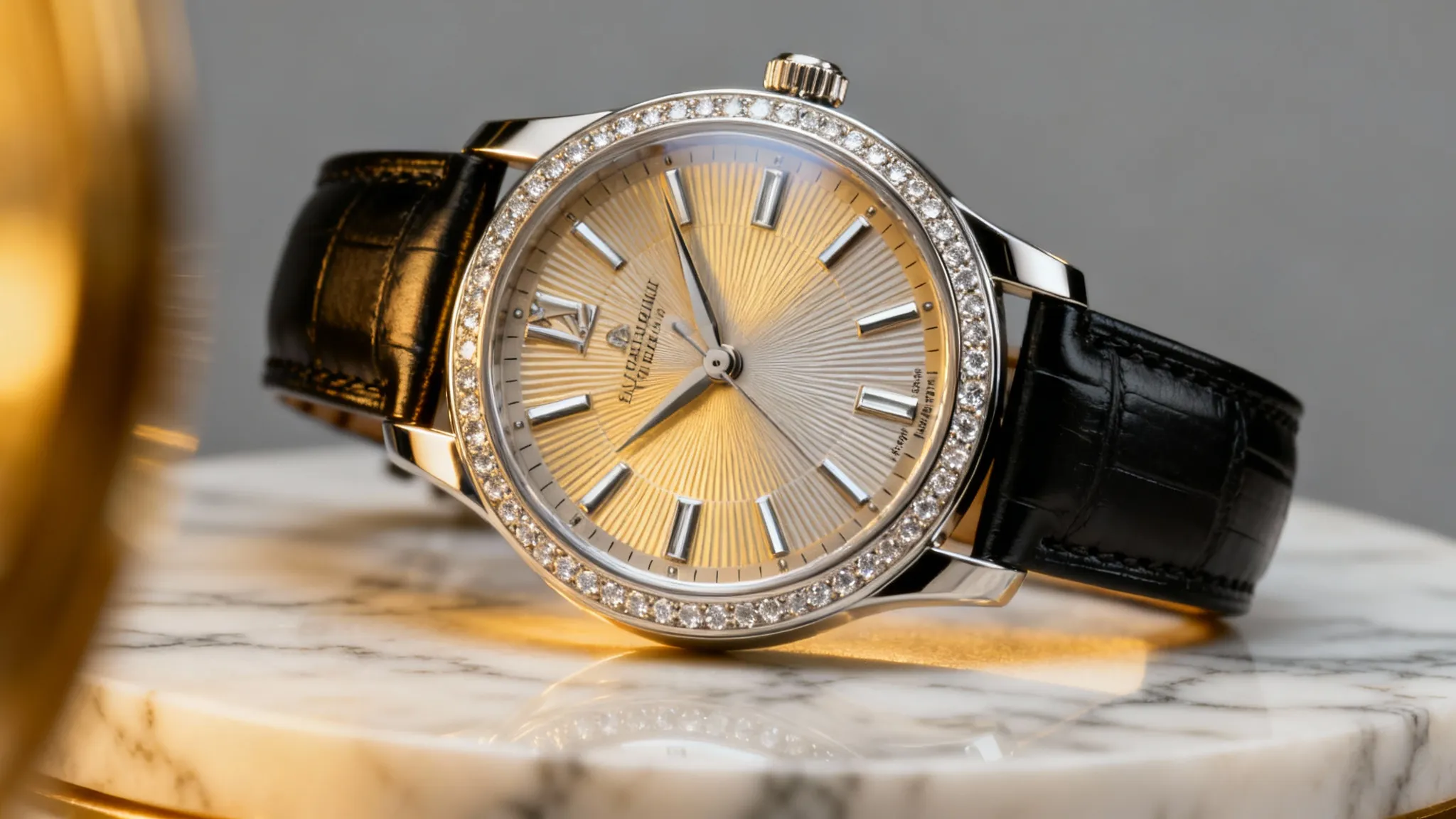
Image Upscaling Tools Compared
FeatureWaveSpeed AIGoogle UpscalerClarity UpscalerTopaz Upscaler
Speed⚡ 20-30s⚡⚡ 10-20s⚡ 30-45s🐢 60-90s
Quality⭐⭐⭐⭐⭐⭐⭐⭐⭐⭐⭐⭐⭐⭐⭐⭐⭐⭐
Credits1.0 cr2.0 cr2.0 cr4.0 cr
Max Resolution8K4K4K+4K+
Creativity Control✅ Adjustable❌ Fixed✅ Advanced✅ Multiple modes
Scaling Factor2x-8x2x or 4x2x-4x2x-4x
Best ForVersatile daily useQuick batch jobsProfessional workMaximum quality

Use Cases
Who Uses This?
📱
Social Media Content Creation
Content creators and influencers use AI upscaling to transform smartphone photos, screenshots, and AI-generated images into high-resolution content suitable for Instagram, YouTube thumbnails, and TikTok. Upscaling ensures images remain sharp on high-resolution displays and maintain quality when cropped or zoomed for different platform aspect ratios.
🛍️
E-Commerce & Product Photography
Online retailers enlarge product images to meet marketplace requirements (Amazon requires 1000+ pixels on longest side) and enable zoom functionality that increases conversion rates by 40%. AI upscaling rescues older catalog photos and supplier images that would otherwise require expensive reshoots, while maintaining the detail customers need to make purchase decisions.
🖼️
Print Design & Large Format
Graphic designers and print shops upscale images for posters, banners, trade show displays, and billboard advertising that require 150-300 DPI at massive physical dimensions. AI upscaling transforms web-resolution images into print-ready files, saving clients thousands in professional photography costs while maintaining visual impact at viewing distances.
📸
Photo Restoration & Archives
Families and historians digitally restore old photographs, scanned slides, and vintage prints by upscaling low-resolution scans into high-quality digital archives. AI technology recovers detail from aged, damaged, or small-format originals, preserving memories and historical documentation in formats suitable for modern display and sharing across generations.

Avoid These
Common Mistakes
Upscaling already-compressed or low-quality source images
→ Always start with the highest quality original available. If you only have a compressed version, apply noise reduction and sharpening before upscaling to give the AI cleaner data to work with.
Using maximum creativity settings on all images
→ Start with moderate creativity (40-60%) to preserve the original look. High creativity settings can introduce artificial textures or over-sharpening that looks unnatural, especially on portraits and product photos.
Expecting miracles from extremely small or heavily pixelated sources
→ AI upscaling works best with sources above 256x256 pixels. For tiny images, consider multi-pass upscaling with enhancement between stages, or accept that some detail simply cannot be reconstructed from insufficient source data.
Not comparing different models for your specific content type
→ Use JAI Portal's side-by-side comparison feature to test 2-3 models on your image. Different AI engines excel at different content—portraits, landscapes, graphics, and AI art each have optimal upscaling approaches.
Expert Advice
Pro Tips
Test Before Batch Processing
When upscaling multiple similar images, process one representative sample through 2-3 different models first. Compare results carefully to identify the optimal model and settings, then apply those parameters to your entire batch. This prevents wasting credits on suboptimal results and ensures consistent quality across your project.
Preserve Originals Always
Never overwrite your source images with upscaled versions. Maintain organized folders with clear naming conventions like 'filename_4x_topaz.png' so you can track which upscaling method was used and return to originals if needed. Keep high-resolution PNG masters separate from compressed web-optimized versions.
Match Resolution to Purpose
Don't automatically upscale to maximum resolution—match output to actual usage requirements. Web images rarely need more than 2K, while print requires 150-300 DPI at final physical dimensions. Over-upscaling wastes credits and creates unnecessarily large files that slow down workflows and storage.
Combine Upscaling with Enhancement
For best results, use a two-step workflow: upscale first with conservative settings, then apply targeted enhancement to the result. This approach gives you more control over final appearance and prevents the over-processed look that sometimes occurs when AI tries to do too much in a single pass.
Leverage Model Specializations
Choose models based on content type rather than just price or speed. Portrait-specific models like Crystal Upscaler deliver superior facial detail, while edge-focused models like Recraft Crisp Upscale excel at graphics and text. Matching model strengths to your content type produces dramatically better results.
Monitor Processing Costs
Track credit usage across different models to optimize your budget. For high-volume projects, use efficient 1-2 credit models for initial upscales and reserve premium 4-15 credit models for hero images, client deliverables, or content where maximum quality justifies the investment. JAI Portal's transparent pricing helps you balance quality against cost.

Questions
Frequently Asked
Use AI-powered upscaling tools that analyze image content and intelligently reconstruct higher-resolution pixel data rather than simply stretching existing pixels. Upload your image to JAI Portal, select an upscaling model like WaveSpeed AI Image Upscaler or Clarity Upscaler, choose your target resolution (2x, 4x, or specific dimensions like 4K or 8K), and let the AI process your image in 20-90 seconds. The result maintains sharpness and detail while dramatically increasing dimensions, suitable for printing, web use, or professional projects.
The best tool depends on your specific image type and quality requirements. For versatile general-purpose upscaling, WaveSpeed AI Image Upscaler offers excellent quality at just 1 credit with adjustable creativity controls. For maximum quality on professional projects, Topaz Image Upscaler and Clarity Upscaler deliver superior detail reconstruction at 2-4 credits. Portrait-focused work benefits from Crystal Upscaler's facial optimization, while product photography and graphics perform best with Recraft Crisp Upscale or Google Upscaler. JAI Portal lets you compare multiple models side-by-side to find the perfect match for your content.
Yes, JAI Portal provides 10 free starter credits when you sign up—no credit card required. This lets you upscale 10 images using 1-credit models like WaveSpeed AI Image Upscaler, or fewer images with premium models. After using your free credits, the platform operates on transparent pay-as-you-go pricing starting at 1 credit per upscale with no monthly subscriptions, hidden fees, or forced commitments. You only pay for actual processing, making it far more affordable than traditional software subscriptions that cost $120-240 annually.
Processing time varies by model and target resolution. Fast models like Google Upscaler and WaveSpeed AI Image Upscaler complete 2x-4x upscales in 10-30 seconds, making them ideal for batch processing or quick turnaround projects. Premium quality models like Topaz Image Upscaler and Flux Vision Upscaler take 60-90 seconds for maximum detail reconstruction at 4x scaling. The entire workflow from upload to download typically completes in under 2 minutes regardless of model choice, dramatically faster than traditional desktop software that requires manual parameter adjustment and longer processing times.
JAI Portal's upscaling models accept common image formats including JPG, PNG, WebP, and HEIC files, typically supporting uploads up to 10-20MB depending on the specific model. Most tools handle images from 256x256 pixels minimum up to 4K or 8K sources, with output resolutions reaching 8K (7680x4320 pixels) on advanced models like WaveSpeed AI Ultimate Image Upscaler. For best results, upload the highest quality original available and choose output resolution based on your intended use—2K for web, 4K for high-resolution displays, or 8K for large-format printing.
AI upscaling can significantly improve blurry or pixelated images, but results depend on source quality and the severity of degradation. Models with adjustable creativity settings like Clarity Upscaler and Flux Vision Upscaler can add detail and sharpness to soft images, while specialized tools like Lucidflux Upscaler specifically target low-quality sources. However, AI cannot create detail that never existed—extremely pixelated images, heavily compressed JPGs, or sources with severe motion blur have fundamental limitations. For best results with challenging sources, apply noise reduction and sharpening before upscaling, or use multi-pass upscaling with enhancement between stages.
Yes, all images processed through JAI Portal grant full commercial usage rights with no attribution required. You own the upscaled outputs and can use them freely in client projects, marketing materials, e-commerce listings, print products, social media content, or any commercial application without licensing restrictions. Paid generations include no watermarks, and there are no hidden terms limiting commercial use. This makes JAI Portal ideal for professional photographers, designers, marketers, and businesses that need high-quality upscaled images for revenue-generating projects.
JAI Portal uses transparent pay-as-you-go credit pricing with no subscriptions or hidden fees. Basic upscaling starts at just 1 credit per image with models like WaveSpeed AI Image Upscaler and Recraft Crisp Upscale, while premium quality models range from 2-4 credits (Google Upscaler, Clarity Upscaler, Topaz Image Upscaler) up to 6-40 credits for specialized or ultra-high-resolution processing. New users receive 10 free starter credits to test different models. This pricing model is dramatically more affordable than traditional software subscriptions costing $120-240 annually, especially for occasional users or those who need access to multiple AI engines for different project types.

Is AI Image Upscaling Worth It in 2026?

AI image upscaling has matured into an indispensable tool for anyone working with digital images in 2026, delivering results that consistently surpass traditional enlargement methods by significant margins. The technology has reached a point where 4x upscales from quality AI models rival or exceed the perceived sharpness of original high-resolution captures, making it viable for professional photography, commercial printing, and client deliverables. JAI Portal's approach of providing access to 27+ premium upscaling models through affordable pay-as-you-go pricing eliminates the traditional barriers of expensive software subscriptions and single-algorithm limitations. For photographers, designers, marketers, and content creators, the ability to rescue low-resolution images, meet platform requirements, and prepare files for large-format printing without reshoots represents both significant time savings and budget optimization. The quality gap between budget and premium models has narrowed considerably, with 1-2 credit options like WaveSpeed AI Image Upscaler delivering results that satisfy most use cases, while specialized models remain available for projects demanding absolute maximum quality. As AI technology continues advancing, we expect even more impressive detail reconstruction, faster processing speeds, and lower costs, making this an ideal time to integrate AI upscaling into your creative workflow.
Key Takeaways
AI upscaling delivers dramatically superior quality compared to traditional interpolation methods, with 4x enlargements maintaining sharpness and detail impossible with conventional software
Pay-as-you-go pricing starting at 1 credit per upscale is 90%+ more affordable than annual software subscriptions, especially for occasional users or those needing multiple AI engines
Access to 27+ specialized models lets you optimize for specific content types—portraits, products, graphics, or AI art—rather than settling for one-size-fits-all algorithms
JAI Portal's side-by-side comparison feature and 10 free starter credits eliminate risk, letting you test multiple approaches before committing to large projects or batch processing
Commercial usage rights, no watermarks, and professional-grade results make AI upscaling viable for revenue-generating projects, client work, and business applications in 2026

Related Content
How-To Guides
Generate 3D Models from Photos with AI Create Talking Avatar Videos with AI Generate AI Art from Text Turn Photo into Video with AI How to Make AI Music from Text Restore Old Photos with AI Remove Watermarks from Images with AI Face Swap in Videos with AI
Free Tools
Free AI Image Upscaler Online Free Photo Enhancement Tool
Alternatives
Best Topaz Gigapixel AI Alternatives Best Photoshop Upscaling Alternatives
Best Of
Best AI Image Upscalers in 2026 Best Photo Enhancement Tools
Ready to Enlarge Your Images Without Losing Quality?
Try any of these 27+ AI upscaling tools free with your 10 starter credits. No subscription needed.
Start Free Trial
No credit card required · Pay as you go