What is Image to 3D?
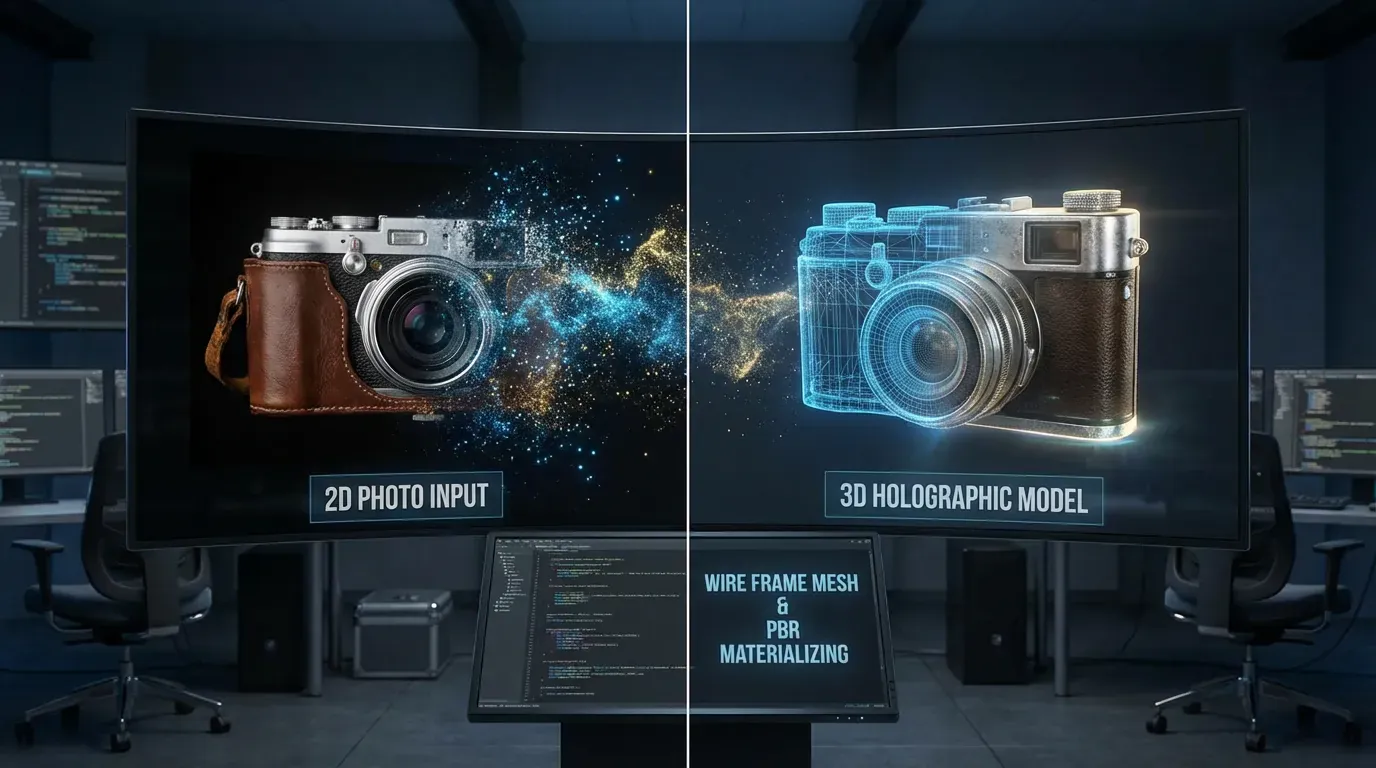
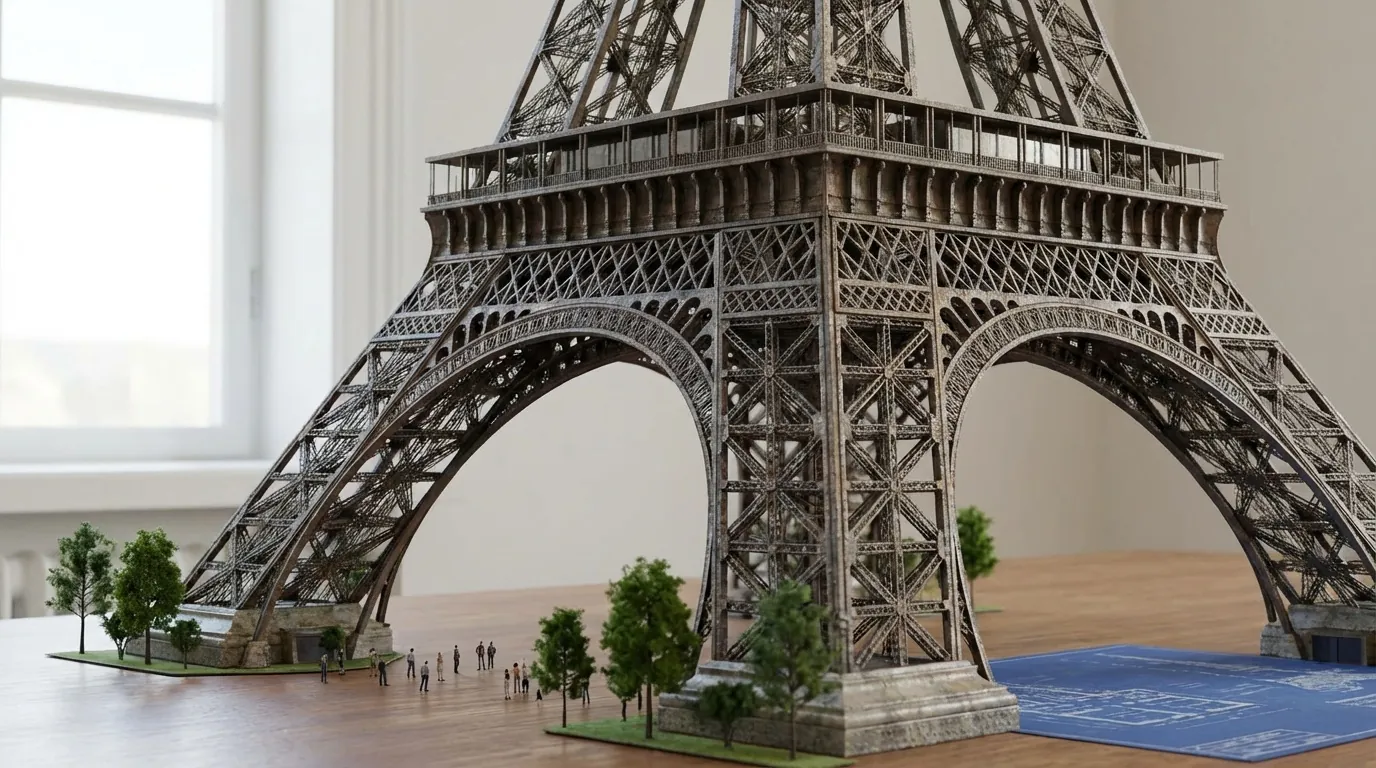
Image to 3D technology represents a breakthrough in AI-powered 3D modeling, enabling creators to transform ordinary 2D photos into fully-formed three-dimensional models. This AI-driven process analyzes depth cues, lighting, shadows, and geometric patterns in your images to reconstruct complete 3D geometry with accurate topology and textures. Whether you're converting product photos for e-commerce, creating game assets from concept art, or digitizing real-world objects for virtual environments, image to 3D AI models eliminate hours of manual modeling work.
The technology has evolved significantly, with modern AI image to 3D generators producing game-ready assets that require minimal post-processing. These models understand material properties, generate proper UV maps, and create optimized mesh structures suitable for real-time rendering in game engines. From architectural visualization to character modeling, photo to 3D model conversion has become an essential tool for 3D artists, game developers, product designers, and digital creators who need to rapidly prototype and produce 3D content.
JAI Portal's collection of 8+ specialized image to 3D models offers unprecedented flexibility, allowing you to compare different AI approaches on the same source image. Each model employs unique algorithms optimized for specific use cases—some excel at organic shapes and characters, while others specialize in hard-surface modeling for products and architecture. This diversity ensures you can always find the right tool for your specific 2D to 3D conversion needs.
Best Image to 3D Models on JAI Portal
JAI Portal provides access to 8+ cutting-edge AI image to 3D models, each representing the latest advances in neural 3D reconstruction technology. Our platform enables side-by-side comparison, so you can test multiple models on your specific images and choose the one that delivers the best geometry, texture quality, and mesh optimization for your project. Whether you need low-poly game assets or high-detail product visualizations, our diverse model selection covers every use case from rapid prototyping to production-ready asset creation.
What sets JAI Portal apart is the ability to experiment with different AI approaches without commitment. Our credit-based system means you only pay for the conversions you actually use, with no monthly subscriptions or hidden fees. Each model offers configurable parameters for mesh density, texture resolution, and export formats, giving you precise control over the final output. Professional features include automatic UV unwrapping, normal map generation, and multi-format export supporting OBJ, FBX, GLTF, and more.
Our image to 3D model collection is continuously updated with the latest AI models as they become available. From converting product photography into AR-ready 3D models for e-commerce to transforming architectural photos into detailed building models for visualization, JAI Portal's comprehensive toolkit supports professional workflows across industries. All generated 3D assets come with full commercial usage rights, making JAI Portal the complete solution for AI-powered photo to 3D model conversion.
Professional Applications of AI Image to 3D Technology
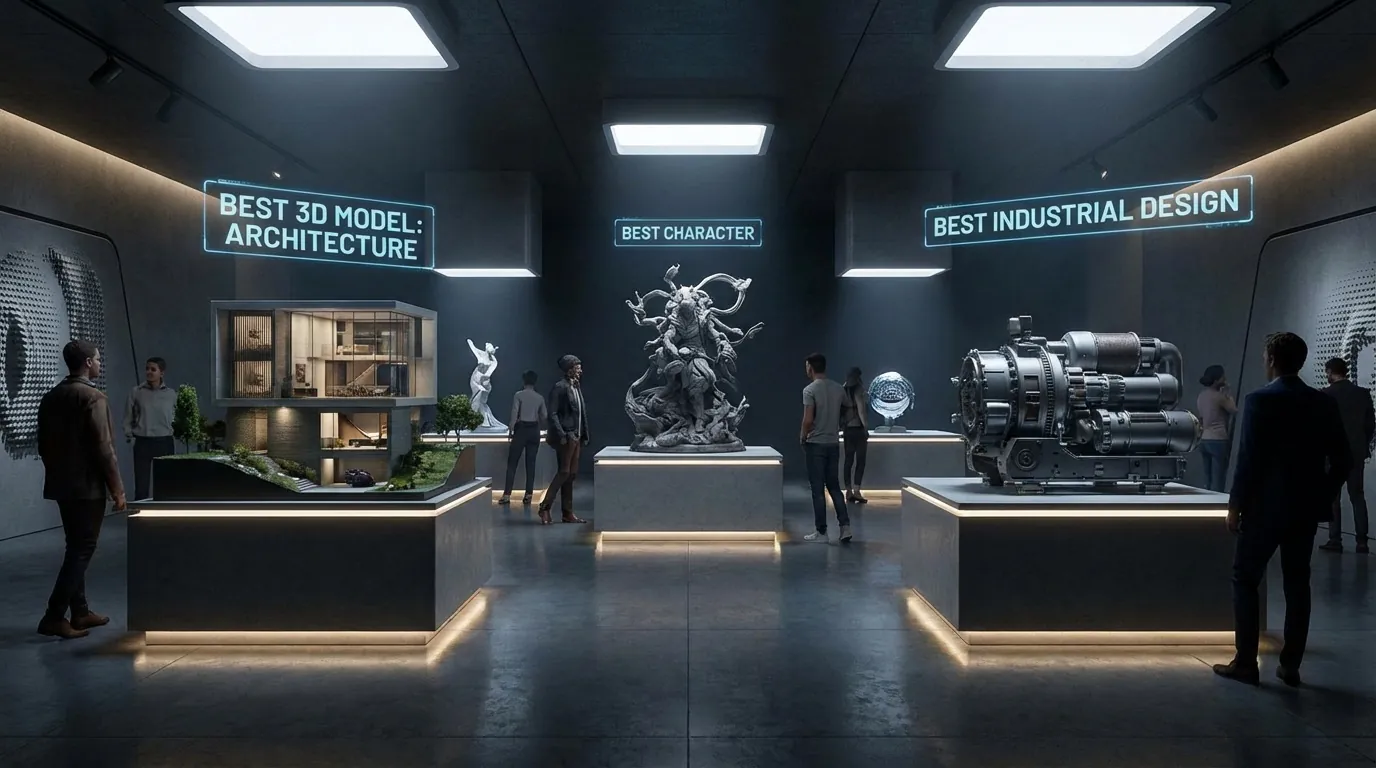
AI image to 3D conversion has transformed workflows across multiple industries, from game development to e-commerce. Game studios use these tools to rapidly convert concept art and reference photos into textured 3D models, dramatically reducing asset creation time. Product designers leverage photo to 3D model technology to create interactive 3D catalogs and AR try-on experiences from existing product photography. Architectural firms convert building photos into detailed 3D models for renovation planning and client presentations, while museum curators digitize artifacts for virtual exhibitions and preservation.
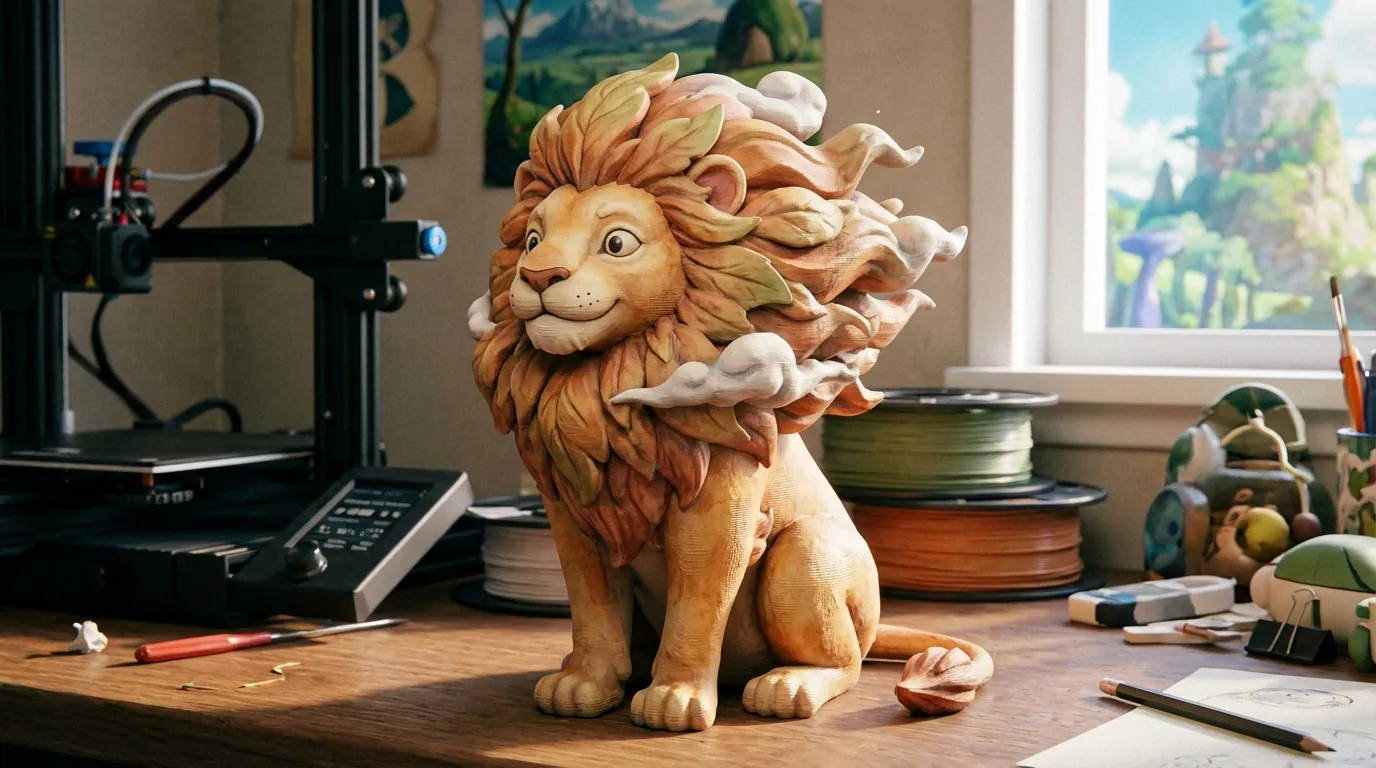
The commercial applications extend to furniture design, where retailers generate 3D room configurators from product photos, and automotive visualization, where manufacturers create interactive 3D showrooms from vehicle photography. Character artists use image to 3D AI to generate base models from reference photos, accelerating the character creation pipeline. Even 3D printing enthusiasts benefit, converting 2D designs into printable models with proper mesh structure. The technology's versatility makes it invaluable for any workflow requiring rapid conversion of 2D visual content into three-dimensional assets.
JAI Portal's professional-grade image to 3D models support these diverse applications with features like customizable mesh density, material preservation, and industry-standard export formats. The platform's comparison capability ensures you select the optimal model for your specific requirements, whether that's photorealistic product visualization, optimized game assets, or detailed architectural models. With full commercial licensing and pay-as-you-go pricing, JAI Portal makes professional 2D to 3D AI conversion accessible and cost-effective.
How to Choose the Right Image to 3D Model
Selecting the best AI image to 3D model depends on your specific project requirements, source material quality, and intended use case. Models optimized for organic shapes and characters excel at converting portraits and natural objects, using advanced algorithms to interpret subtle curves and surface details. Hard-surface specialists perform better with architectural photos, products, and mechanical objects, generating clean topology suitable for CAD workflows. Understanding these distinctions helps you match the right AI model to your conversion needs.
Consider factors like mesh complexity requirements—game engines benefit from optimized low-poly models, while product visualization may require high-detail geometry. Texture quality is equally important; some models excel at preserving photographic textures, while others generate cleaner, more stylized materials. Export format compatibility matters too, especially if you're working within specific software ecosystems like Unity, Unreal Engine, or Blender. JAI Portal's side-by-side comparison feature lets you evaluate these factors directly, testing multiple models on your actual images.
The quality of your source image significantly impacts results. Clear, well-lit photos with good contrast and minimal occlusion produce the best 3D models. Multiple angle references can improve accuracy with certain AI models. JAI Portal's diverse model selection means you can experiment with different approaches—some models work better with single-view images, while others can incorporate multiple perspectives. The credit-based system encourages experimentation, allowing you to find the perfect image to 3D model for your workflow without long-term commitments.
Image to 3D Workflow Integration
Integrating AI image to 3D conversion into professional workflows requires understanding both the capabilities and limitations of the technology. Most creators use these tools as a starting point, generating base geometry and textures that can be refined in traditional 3D software. This hybrid approach combines AI speed with human artistic control, dramatically reducing initial modeling time while maintaining quality standards. JAI Portal's multiple export formats ensure seamless integration with popular 3D applications like Blender, Maya, 3ds Max, and game engines.
For game development pipelines, image to 3D models serve as rapid prototyping tools, allowing teams to quickly visualize concepts and iterate on designs before committing to full production. E-commerce workflows benefit from batch processing capabilities, converting entire product catalogs into 3D models for AR experiences and 360-degree viewers. Architectural visualization teams use photo to 3D model conversion for as-built documentation, capturing existing structures for renovation planning. Each workflow benefits from JAI Portal's model comparison feature, enabling teams to standardize on the AI models that best match their quality requirements.
The pay-as-you-go credit system aligns perfectly with project-based workflows, scaling costs with actual usage rather than imposing fixed monthly fees. Teams can allocate credits across different projects and models, experimenting with new AI approaches without budget constraints. Commercial licensing ensures all generated assets can be used in client work, products, and published games without additional clearance. This flexibility makes JAI Portal's image to 3D platform suitable for freelancers, studios, and enterprises alike.
Future of Photo to 3D Model Technology
The evolution of AI image to 3D technology continues to accelerate, with new models achieving unprecedented accuracy in geometry reconstruction and material interpretation. Emerging techniques incorporate multi-view synthesis, allowing AI to generate complete 3D models from multiple reference photos with improved consistency and detail. Neural radiance fields and diffusion-based approaches are pushing the boundaries of what's possible, generating 3D assets that rival manually created models in quality while requiring a fraction of the time.
Future developments will likely focus on improved topology generation, producing cleaner mesh structures that require less manual cleanup. Enhanced material understanding will enable AI models to better distinguish between different surface types—metal, fabric, wood, glass—and generate appropriate physically-based rendering materials. Real-time conversion capabilities are emerging, potentially enabling live 3D capture from video streams. JAI Portal stays at the forefront of these developments, continuously adding new models as they achieve production-ready quality.
The democratization of 3D content creation through AI image to 3D technology is transforming creative industries. What once required years of 3D modeling expertise can now be accomplished by anyone with a camera and access to AI tools. This accessibility is driving innovation in virtual reality, augmented reality, gaming, and digital commerce. As these technologies mature, the line between 2D and 3D content creation will continue to blur, with AI serving as the bridge between photography and three-dimensional digital worlds. JAI Portal's comprehensive platform positions creators to leverage these advances as they emerge.